Have you ever wondered why some meals taste better after a long journey? I believe the secret lies in the history of the Minangkabau people from West Sumatra. They crafted hearty recipes specifically for traditional ceremonies and extended travel, ensuring their meals stayed fresh and flavorful for days.

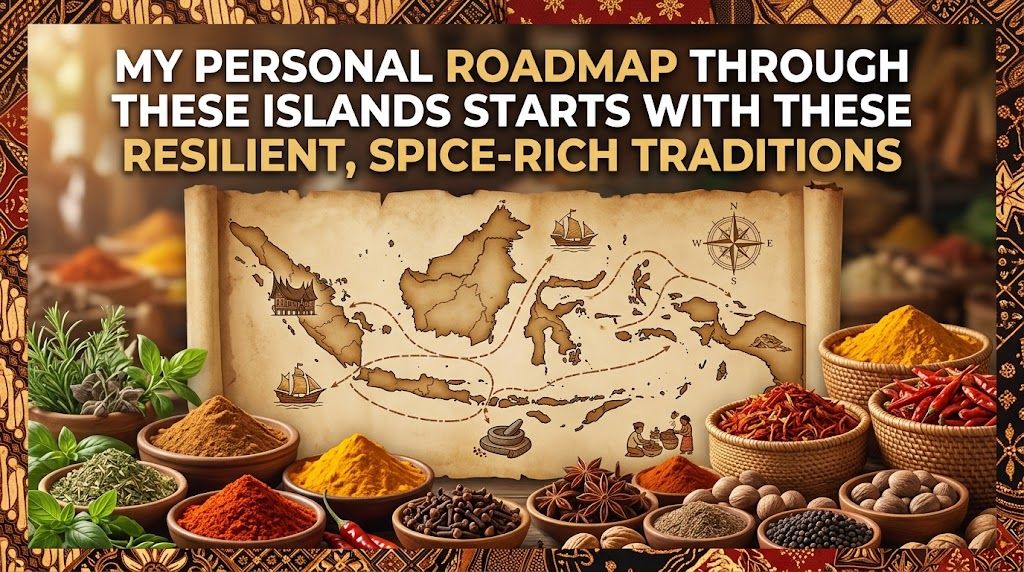
My personal roadmap through these islands starts with these resilient, spice-rich traditions. In this authentic indonesian food guide, I will share my favorite discoveries, from fiery sambals to cooling desserts. We will explore how regional spices define every bite and how to navigate local menus with confidence. Join me as we celebrate the vibrant culture found in every bowl.
Key Takeaways
- Minangkabau cuisine was historically designed for preservation during long travels.
- Spices serve as the backbone of regional flavor profiles across the islands.
- Understanding local dining etiquette enhances your overall travel experience.
- Sambals provide the essential heat that balances many traditional dishes.
- Exploring desserts offers a sweet perspective on local ingredients and history.
What Makes an Authentic Indonesian Food Guide Worth Following
To truly appreciate the depth of Indonesian cuisine, one must look beyond the surface and understand the traditions that guide every plate. A reliable guide should act as a bridge between history, geography, and the local community. I believe that authentic Indonesian dishes are defined by their ability to tell a story about the people who created them.
How Indonesia’s Regional Cuisines Shape the Table
The archipelago is home to thousands of islands, each boasting its own unique culinary identity. Indonesian regional cuisine is not a monolith; it is a vibrant tapestry of flavors that change as you move from one island to the next. For instance, the food of the Minangkabau people in West Sumatra is deeply rooted in their cultural heritage.
These dishes were originally crafted for traditional ceremonies and long journeys. Because of their unique preparation, they naturally keep well without the need for modern preservatives. This practical approach to cooking shows how geography and necessity shape the way we eat today.
What I Look for in an Authentic Indonesian Dish
When I evaluate a meal, I look for a specific balance that honors traditional Indonesian cooking. It is not just about the heat of the chili; it is about the harmony of ingredients. As one culinary expert once noted:
“True flavor is found in the patience of the cook and the quality of the earth’s harvest.”
Fresh aromatics, layered spices, and balanced heat
I prioritize dishes that feature fresh aromatics like lemongrass, galangal, and ginger. These ingredients provide a bright foundation that supports the deeper, layered spice pastes found in many regional specialties. A great dish does not need to be overwhelmingly spicy to be considered authentic; it simply needs to be balanced.
Traditional cooking methods and local ingredients
The use of local ingredients is the heartbeat of traditional Indonesian cooking. Whether it is the slow caramelization of coconut milk or the careful grinding of spices, these methods ensure that the final result is rich and complex. By focusing on these techniques, I can better appreciate the nuances of Indonesian regional cuisine and the dedication required to master these time-honored recipes.
Minangkabau Food and the Cultural Roots of West Sumatra
Minangkabau cuisine is far more than just a collection of recipes; it is a vibrant expression of a unique cultural identity. Originating from the Minangkabau people of West Sumatra, this style of cooking has become a cornerstone of Indonesian food culture. These dishes were historically crafted for traditional ceremonies and long journeys, as the cooking methods naturally allow the food to stay fresh for extended periods.
Why Minangkabau Cuisine Stands Out in Indonesian Food Culture
What makes Minangkabau cuisine truly special is its mastery of spice and slow-cooking techniques. By using coconut milk and a complex blend of aromatics, these dishes develop deep, layered flavors that are hard to replicate. This West Sumatran food is designed to be bold, ensuring that every bite leaves a lasting impression on the palate.
The reliance on natural preservation methods is a testament to the ingenuity of the people. Because these meals were often prepared for travelers crossing the archipelago, the focus remains on dry curries and spice-heavy preparations. This approach ensures that the food remains safe and delicious even after days of travel.
The Role of Family Recipes, Community, and Hospitality
In my experience, the warmth of the Minangkabau people is best felt through their hospitality. Family recipes are passed down through generations, acting as a living history of the region. When you sit down to eat, you are not just consuming a meal; you are participating in a tradition of generosity that defines the local culture.
How rendang and other dishes carry cultural identity
Dishes like rendang serve as powerful symbols of patience and resilience. The process of caramelizing beef in coconut milk and spices requires hours of constant attention. This dish represents the dedication required to maintain one’s heritage in an ever-changing world.
Why shared meals matter in Minangkabau communities
Sharing a meal is the ultimate act of connection in this region. Whether it is a grand ceremony or a simple family gathering, the act of eating together reinforces social bonds. Following an authentic Indonesian food guide means recognizing that these communal moments are just as important as the ingredients themselves.
Food Made for Ceremonies and Long Journeys
I have always been fascinated by how Minangkabau food serves as both a centerpiece for community gatherings and a reliable companion for travelers. This traditional Indonesian food is not just about flavor; it is a testament to the ingenuity of the people of West Sumatra.
How Minangkabau Dishes Became Part of Traditional Ceremonies
In West Sumatra, food is the heart of every social event. Large communal feasts require dishes that can be prepared in advance and served to many guests at once.
Minangkabau ceremonial food is designed to be shared, fostering a sense of unity among family and friends. These recipes are passed down through generations, ensuring that the cultural identity of the region remains vibrant during weddings and religious festivals.
Why Long-Lasting Food Was Essential for Travel
Historically, the Minangkabau people were known for their tradition of merantau, or migrating to other regions for work or education. This lifestyle required Indonesian travel food that could withstand long journeys without spoiling.
Natural preservation through low-moisture cooking
The secret to this durability lies in the cooking process. By slowly reducing the liquid content of a dish, cooks create a stable environment where bacteria cannot thrive.
- Low-moisture cooking concentrates the flavors.
- It removes the water that typically causes food to spoil quickly.
- The result is a dense, shelf-stable meal that stays fresh for days.
Spices, coconut, salt, and heat as practical preservation tools
Beyond the cooking technique, the ingredients themselves act as natural preservatives. This is why naturally preserved food from this region is so legendary.
The combination of these elements creates a powerful barrier against decay:
- Spices: Ingredients like ginger and galangal have natural antimicrobial properties.
- Coconut Milk: When cooked down into oil, it coats the ingredients and seals them.
- Salt and Heat: These work together to draw out moisture and intensify the savory profile.
The Connection Between Celebration Food and Travel Food
It is truly remarkable how the same recipes serve two distinct purposes. Whether it is being served on a grand platter at a wedding or packed into a bundle for a long journey, the quality remains consistent.
The cultural meaning of these dishes is tied to their durability. By preparing food that lasts, the Minangkabau people ensure that the comfort of home and the warmth of community can be carried anywhere in the world.
The Essential Spices Behind Authentic Indonesian Flavor
Every great dish from the Minangkabau region begins with a foundation of fresh, vibrant spices. These ingredients are not just for flavor; they are essential for preservation, allowing traditional meals to stay fresh during long journeys or elaborate ceremonies. By following an authentic Indonesian food guide, you can learn how these components transform simple ingredients into something truly special.
Fresh Chilies, Garlic, Shallots, and Ginger
The base of almost every Minangkabau spice paste starts with a heavy hand of shallots, garlic, and ginger. These aromatics provide a pungent, savory foundation that anchors the dish. I always ensure the chilies are fresh, as they provide the signature heat that defines the regional palate.
Galangal, Turmeric, Lemongrass, and Kaffir Lime
To elevate the profile of these dishes, I rely on earthy and citrusy Indonesian aromatics. Galangal adds a woody, pine-like note, while turmeric provides a beautiful golden hue and an earthy depth. Lemongrass and kaffir lime leaves introduce a bright, floral acidity that cuts through the richness of coconut milk.
Candlenuts, Coriander, Cumin, and Toasted Coconut
Texture and body are just as important as the initial aromatics. Candlenuts act as a natural thickener, giving sauces a creamy consistency without needing dairy. I also incorporate coriander and cumin for a warm, nutty undertone, while toasted coconut adds a unique, smoky sweetness that is a hallmark of the region.
How spice pastes create depth instead of one-dimensional heat
Many people mistake Indonesian spices for simple heat, but the goal is actually complexity. By grinding these ingredients into a fine paste, the flavors meld together during the slow-cooking process. This method ensures that the heat is layered, allowing the subtle notes of the herbs to shine through rather than just burning the tongue.
How I balance richness, saltiness, acidity, and spice
Achieving the perfect balance is the secret to a great Minangkabau spice paste. I focus on using salt to draw out the natural sweetness of the aromatics while adding a touch of acidity to brighten the heavy, coconut-based sauces. When you master this harmony, you unlock the true potential of Indonesian aromatics in your own kitchen.
Rendang: The Signature Minangkabau Dish I Would Try First
If I had to choose one dish to represent the soul of West Sumatra, it would undoubtedly be traditional rendang. This iconic meal is more than just food; it is a testament to the patience and culinary wisdom of the Minangkabau people. I find that its remarkable intensity and depth make it the perfect starting point for anyone exploring authentic Indonesian coconut milk dishes.
What Traditional Rendang Is Supposed to Taste Like
When I take my first bite of a well-made Minangkabau rendang, I expect a complex explosion of flavors. It should not be overly spicy, but rather balanced with a deep, savory richness that lingers on the palate. The meat must be tender enough to fall apart, yet it should retain a distinct, hearty texture that speaks to its high-quality preparation.
How Beef, Coconut Milk, and Spices Become Deeply Caramelized
The magic happens through a long, slow reduction process. Beef is simmered in a mixture of coconut milk, fresh chilies, garlic, shallots, ginger, and galangal. As the liquid evaporates, the fats from the coconut milk begin to fry the meat and spices, creating a dark, caramelized coating that is truly unforgettable.
The difference between gulai, kalio, and dry rendang
It is helpful to understand the stages of this cooking process. Gulai is a thin, curry-like soup, while kalio is a thicker, golden-brown gravy that is cooked for a shorter time. A true dry beef rendang is the final stage, where almost all the moisture has evaporated, leaving behind a concentrated, dark spice paste.
Why slow cooking gives rendang its naturally long-lasting appeal
The slow cooking method is not just for flavor; it is a practical tradition. By removing the moisture, the dish becomes naturally preserved, which is why it was historically perfect for long journeys. This dry beef rendang can stay fresh for days, making it a reliable staple for travelers and ceremonies alike.
How to Enjoy Rendang with Rice and Side Dishes
I always recommend pairing this rich dish with steamed white rice to balance its intensity. Adding a side of fresh, crunchy vegetables or a mild gulai helps to soften the bold flavors. Below is a quick guide to help you distinguish between the different textures of these popular Indonesian coconut milk dishes.
| Dish Type | Texture | Cooking Time | Primary Use |
|---|---|---|---|
| Gulai | Liquid/Soup | Short | Daily meals |
| Kalio | Thick Gravy | Medium | Special occasions |
| Dry Rendang | Dark/Caramelized | Very Long | Travel/Ceremonies |
Must-Try Minangkabau Dishes Beyond Rendang
While rendang often steals the spotlight, the world of Minangkabau cuisine is vast and incredibly rewarding. As an essential part of any authentic Indonesian food guide, these regional specialties highlight the ingenuity of West Sumatran cooks. Many of these Minangkabau dishes were historically crafted for long journeys or grand ceremonies, ensuring they remain flavorful even after hours of travel.

Dendeng Balado for Crisp Beef and Fiery Chili Relish
Dendeng Balado is a masterclass in texture. The beef is thinly sliced, sun-dried, and then fried until it reaches a perfectly crispy consistency. It is then tossed in a vibrant, spicy chili relish that provides a sharp, addictive kick.
Gulai Itik for Fragrant Duck and Coconut-Based Spice
If you enjoy rich, complex sauces, Gulai Itik is a must-order. This dish features succulent duck slow-cooked in a thick, aromatic coconut milk base infused with local herbs. The depth of flavor here is truly remarkable.
Gulai Tunjang for Tender Beef Tendon
For those who appreciate unique textures, Gulai Tunjang offers a melt-in-your-mouth experience. The beef tendon is braised for hours until it becomes incredibly soft and gelatinous. It absorbs the savory, golden curry sauce beautifully.
Asam Padeh for Bright, Sour, and Spicy Fish
Asam Padeh provides a refreshing contrast to the heavier, coconut-based curries. This dish relies on tamarind and fresh chilies to create a bright, sour, and spicy broth. It is a lighter option that perfectly cleanses the palate.
Sate Padang for Thick Yellow Sauce and Grilled Beef
Sate Padang is a street food icon that you simply cannot miss. The beef is grilled over charcoal and served with a signature, thick yellow sauce made from rice flour and a blend of aromatic spices.
How Padang-style satay differs from other Indonesian satay
Unlike the sweet peanut sauce found in many other regions, the sauce for Sate Padang is savory and spicy. It is thickened with rice flour, giving it a distinct, hearty texture that clings to the meat.
“The beauty of West Sumatran cooking lies in the balance of bold spices and the patience required to develop deep, layered flavors.”
| Dish Name | Primary Protein | Flavor Profile | Texture |
|---|---|---|---|
| Dendeng Balado | Beef | Spicy & Savory | Crispy |
| Gulai Itik | Duck | Rich & Aromatic | Tender |
| Asam Padeh | Fish | Sour & Spicy | Soft |
| Sate Padang | Beef | Savory & Thick | Chewy |
Indonesian Dishes from Other Regions I Should Not Miss
While I have a deep love for the rich, slow-cooked traditions of West Sumatra, the vast Indonesian archipelago offers a stunning variety of flavors that go far beyond those borders. Exploring Indonesian regional dishes reveals a culinary map that is as varied as the islands themselves. While some foods are built for long journeys, others are designed to be enjoyed fresh, light, and vibrant.
Nasi Goreng for Savory Stir-Fried Rice
You cannot talk about Indonesian food without mentioning nasi goreng. This savory stir-fried rice is often considered the national dish, yet it varies wildly from street stalls to home kitchens. It typically features a base of pre-cooked rice tossed with sweet soy sauce, garlic, and shallots, often topped with a fried egg.
Gado-Gado for Vegetables, Tofu, and Peanut Sauce
If you are looking for something lighter, gado-gado is a perfect choice. This iconic salad consists of blanched vegetables, tofu, and tempeh, all smothered in a rich, nutty peanut sauce. It is a refreshing contrast to the heavier, oil-based curries found in other parts of the country.
Soto for Regional Broth and Comforting Aromatics
Soto is the ultimate comfort food, appearing in dozens of regional variations across the islands. Whether it is a clear, chicken-based broth or a creamy coconut version, the dish relies on a complex blend of aromatics like turmeric and lemongrass. It is a warm, soul-soothing staple that highlights the importance of fresh herbs in local cooking.
Pempek for Palembang Fish Cakes and Tangy Cuko
Hailing from the city of Palembang, pempek is a unique treat made from ground fish and tapioca flour. These savory cakes are usually fried until crispy and served with a dark, tangy, and spicy sauce known as cuko. The combination of the chewy fish texture and the sharp, vinegar-based sauce is truly addictive.
Ayam Betutu for Balinese Spice and Slow-Cooked Chicken
When I visit Bali, I always seek out ayam betutu. This dish features a whole chicken stuffed with a potent spice paste, then slow-cooked until the meat is incredibly tender. It showcases the Balinese mastery of bumbu, a complex spice blend that defines the island’s unique culinary identity.
How regional ingredients change the character of familiar dishes
The character of these meals shifts based on the local environment and available ingredients. While Sumatra favors long-lasting, coconut-heavy stews, other regions prioritize fresh aromatics or fermented sauces. This diversity ensures that every meal feels like a new discovery.
| Dish Name | Primary Flavor | Key Ingredient | Regional Origin |
|---|---|---|---|
| Nasi Goreng | Savory/Sweet | Sweet Soy Sauce | National |
| Gado-Gado | Nutty/Fresh | Peanut Sauce | Java |
| Pempek | Tangy/Savory | Fish Paste | Palembang |
| Ayam Betutu | Spicy/Aromatic | Spice Paste | Bali |
How to Order an Authentic Indonesian Meal
Navigating the vibrant world of Indonesian dining can feel overwhelming at first, but it is actually quite simple once you know the basics. Following an authentic Indonesian food guide helps you appreciate the depth of flavors found in every bite. Whether you are a first-time visitor or a seasoned traveler, understanding the rhythm of the table makes every meal more enjoyable.
Building a Balanced Plate with Rice, Mains, and Vegetables
When I sit down to eat, I always start with a base of steamed white rice. Rice is the heart of the meal, acting as a neutral canvas for the bold, complex spices of the main dishes. I typically select one protein, such as beef or fish, and pair it with a side of cooked vegetables to create a harmonious balance on my plate.
Many traditional dishes, especially those from West Sumatra, were originally crafted for long journeys and ceremonies. Because these foods are designed to stay fresh and flavorful, they hold up perfectly when served alongside a warm portion of rice. This practice is a cornerstone of how to order Indonesian food effectively.
Choosing Between Padang Restaurant Service Styles
Dining in a nasi Padang restaurant is a unique experience that differs from standard table service. You will often see a wide array of dishes stacked high in the window or on the table, showcasing the variety of the kitchen. Understanding Indonesian meal etiquette in these settings is essential for a smooth experience.
Understanding dishes displayed in a nasi Padang restaurant
In many establishments, servers will bring a variety of small plates directly to your table. You are only charged for the items you choose to eat, while the rest are taken back to the kitchen. It is a fascinating way to sample multiple regional specialties without committing to a single large portion.
Knowing when shared plates or individual portions make sense
If I am dining with a group, we often opt for shared plates to taste a wider variety of recipes. However, if I am eating alone, I prefer an individual portion served over rice, which is often called nasi rames. This allows me to enjoy a complete meal without the complexity of managing multiple small dishes.
| Service Style | Best For | Key Benefit |
|---|---|---|
| Table Service | Groups | Variety and sharing |
| Nasi Rames | Solo Diners | Convenience and speed |
| Buffet Style | Casual Lunch | Visual selection |
Adding Sambal Without Losing the Main Dish’s Flavor
Sambal is the soul of the meal, but it should be treated with respect. I always start by adding a small amount to the side of my plate rather than mixing it directly into the main dish. This allows me to control the heat level and ensure the delicate spices of the meat or vegetables remain the star of the show.
By gradually incorporating the chili paste, I can enhance the flavor profile without overwhelming my palate. This simple technique ensures that every bite remains balanced and delicious. It is the best way to enjoy the fiery spirit of the cuisine while keeping the integrity of the original recipe intact.
Indonesian Sambals, Pickles, and Side Dishes That Complete the Meal
My favorite part of any Indonesian feast is discovering how small, flavorful additions transform the entire experience. While the main course often takes center stage, the true magic happens when you pair it with the right Indonesian side dishes. These elements provide the necessary contrast to ensure every bite feels balanced and exciting.

Sambal Ijo for Fresh Green Chili Heat
Sambal ijo is a staple in West Sumatra, known for its vibrant green color and sharp, fresh heat. Made primarily from green chilies, garlic, and shallots, it offers a bright kick that cuts through heavy, fatty meats. I find that this Indonesian sambal is the perfect companion for dishes that have been slow-cooked for hours.
Sambal Balado for Bold Red Chili Flavor
If you prefer a deeper, more intense spice, sambal balado is the way to go. This red chili paste is cooked with oil, creating a rich and savory profile that coats everything it touches. It is a bold choice that adds a complex layer of heat to any plate.
Acar and Pickled Vegetables for Brightness
To cleanse the palate, I always look for acar. These Indonesian pickles, usually made with cucumber, carrots, and shallots in a vinegar-based brine, provide a refreshing crunch. They are essential for cutting through the richness of coconut milk-based gravies.
Kerupuk, Serundeng, and Fried Shallots for Texture
Texture is just as important as flavor in a well-rounded meal. I love adding kerupuk (crackers) for a satisfying snap, while serundeng (toasted coconut) adds a nutty sweetness. A generous sprinkle of fried shallots provides a savory finish that ties everything together.
How condiments refresh rich coconut-based dishes
Minangkabau cuisine often features heavy, coconut-rich sauces that can feel overwhelming after a few bites. By adding acidic pickles or fresh green chili pastes, you introduce a brightness that resets your taste buds. This technique ensures that the natural richness of the food remains enjoyable throughout the entire meal.
How I choose sides to balance a spicy meal
When I build my plate, I focus on the interplay between spice, salt, and crunch. I select a variety of Indonesian side dishes to ensure that no single flavor dominates the experience. This thoughtful approach allows me to appreciate the complexity of the spices without feeling fatigued by the heat.
| Side Dish | Primary Flavor | Best Used For |
|---|---|---|
| Sambal Ijo | Fresh, Sharp Heat | Balancing fatty meats |
| Acar | Tangy, Acidic | Cleansing the palate |
| Kerupuk | Salty, Crunchy | Adding texture contrast |
| Serundeng | Sweet, Nutty | Enhancing savory dishes |
Drinks and Desserts to Balance Spicy Indonesian Food
When the chili-forward dishes of West Sumatra leave my tongue tingling, I turn to these classic Indonesian drinks to find balance. These refreshments are essential for cooling the palate after enjoying rich, spice-heavy meals that were traditionally prepared for long journeys or grand ceremonies.
Es Teh Manis for Simple Sweet Relief
The most accessible choice in any authentic indonesian food guide is undoubtedly es teh manis. This simple iced sweet tea provides an immediate, crisp relief from the heat of sambal and complex spice blends. It is the perfect companion for a hearty meal, offering a light sweetness that does not overwhelm the main dish.
Es Cendol for Coconut Milk, Palm Sugar, and Jelly
For a more indulgent experience, I often reach for es cendol. This drink features silky green rice flour jelly served in a pool of rich coconut milk and dark, earthy palm sugar. The creaminess of the coconut milk acts as a natural buffer against the lingering spice of a heavy lunch.
Es Campur for a Colorful Cold Dessert
When I want a variety of textures, Indonesian desserts like es campur are my go-to. This “mixed ice” treat combines shaved ice with colorful jellies, tropical fruits, and condensed milk. It is a delightful way to end a meal, providing a refreshing contrast to the savory, salty notes of traditional Minangkabau cooking.
Jamu for Herbal, Traditional Refreshment
If I prefer something less sugary, I opt for jamu. This traditional herbal tonic is crafted from roots, barks, and spices like turmeric and ginger. It offers a unique, earthy flavor profile that cleanses the palate while providing a sense of wellness after a large, celebratory feast.
Why sweetness and cooling textures work with chili-forward dishes
Sweetness and cold temperatures are scientifically effective at neutralizing the capsaicin found in chilies. By incorporating these elements, I can enjoy the deep, layered flavors of my meal without the heat becoming too intense. These cooling textures ensure that every bite remains as enjoyable as the first.
How I Can Recognize Authenticity Without Chasing Perfection
Finding the true essence of a meal is often more about the story behind the plate than the exact ingredients used. I have discovered that authentic Indonesian food is defined by its soul and history rather than a rigid checklist of components. By focusing on the intent behind the cooking, I can appreciate the depth of regional Indonesian traditions without needing every dish to be a carbon copy of a local street stall.
Looking for Layered Flavor Rather Than Extreme Spice
Many people mistakenly believe that heat is the only marker of quality. In reality, the best dishes offer a complex harmony of aromatics and spices. When I taste a well-prepared meal, I look for the balance between savory, sweet, and sour notes that define true Indonesian food authenticity.
Understanding Adaptations in Indonesian Restaurants Outside Indonesia
It is natural for chefs to adapt recipes when certain ingredients are unavailable abroad. I respect these changes as long as the core spirit of the dish remains intact. A restaurant might swap a specific local herb for a more accessible alternative, yet the slow-cooked Indonesian dishes can still retain their signature character.
Respecting Ingredient Substitutions and Family Traditions
Cooking is a living tradition that evolves with the people who prepare it. I find that family recipes often vary from house to house, making the concept of a single “correct” version quite fluid.
“The heart of a culture is found in the kitchen, where tradition meets the reality of the present moment.”
Questions I can ask about regional origins and preparation
To better understand what I am eating, I often engage with the staff. I might ask about the specific region a dish hails from or how the spice paste was developed. These conversations help me appreciate the regional Indonesian traditions that make each plate unique.
- What is the traditional region of origin for this recipe?
- Are there specific aromatics used to build the base flavor?
- How does this dish fit into local ceremonial practices?
Signs that a dish has been cooked slowly and thoughtfully
I look for textures that only come from patience. For example, Minangkabau food from West Sumatra is famous for being made for long journeys, meaning it is designed to last. When I see slow-cooked Indonesian dishes, I look for meat that is tender yet holds its shape, and sauces that have reduced into a rich, concentrated glaze. These visual and textural cues are the true markers of Indonesian food authenticity.
Conclusion
My journey through the diverse landscape of Indonesian cuisine reveals a deep connection between history and the plate. Minangkabau food from West Sumatra serves as a perfect example of this bond. These dishes originate from the Minangkabau people and were crafted for traditional ceremonies and long journeys. Because they naturally keep well, they offer a unique look at how practicality meets culinary excellence.
Using this authentic indonesian food guide, I encourage you to seek out the deep, caramelized notes of rendang. Do not stop there, as building a complete meal with vibrant sambals, refreshing drinks, and sweet desserts creates a balanced experience. Every bite tells a story of hospitality and cultural pride that transcends borders.
You might find that the best meals are those that respect regional traditions while inviting curiosity. Whether you are trying a new spice blend or enjoying a classic dish, keep an open mind. My hope is that this authentic indonesian food guide inspires you to explore these bold flavors with confidence. Start your own culinary adventure today and discover the heart of Indonesia through its incredible food.
FAQ
Why is Minangkabau food from West Sumatra known for being naturally long-lasting?
In my experience traveling through the region, I’ve learned that Minangkabau food was specifically developed for traditional ceremonies and long journeys. By using a combination of low-moisture cooking, high spice content, and the natural preservative qualities of coconut milk and salt, dishes like Rendang can stay fresh for long periods without refrigeration, which was essential for the seafaring and nomadic history of the Minangkabau people.
What should I look for in an authentic indonesian food guide to ensure the meal is high quality?
I always look for a focus on layered flavors and fresh aromatics rather than just heat. An authentic indonesian food guide should highlight the use of traditional spice pastes—bumbu—made from ingredients like galangal, lemongrass, and candlenuts. I also check if the guide mentions regional specifics, as a meal from West Sumatra will taste vastly different from a dish found in Bali or Central Java.
How do I navigate the ordering process at a Nasi Padang restaurant?
When I visit a famous establishment like Restoran Sederhana or Restoran Garuda, there are usually two ways to order. You can point to the specific dishes you want displayed in the window to create a single plate, or you can sit down for *hidang* style. In *hidang* service, the waiters will bring dozens of small plates to your table, and you only pay for the portions you actually eat. It is the best way to try a bit of everything, from Gulai Itik to Ayam Pop.
Is Rendang always supposed to be dry?
While many international versions are saucy, I prefer the traditional dry Rendang found in West Sumatra. The beef is slow-cooked for hours until the coconut milk reduces, separates into oil, and eventually caramelizes the spices onto the meat. This process is exactly why the dish is so naturally long-lasting and why it is a staple for traditional ceremonies.
What are the best drinks to pair with a spicy Indonesian meal?
To balance the bold flavors of Sambal Balado or a rich curry, I usually order an Es Teh Manis (sweet iced tea) or an Es Cendol. The sweetness of the palm sugar and the cooling nature of the coconut milk in an Es Cendol provide the perfect relief. If I’m looking for something more traditional and health-focused, I’ll opt for a Jamu, a herbal tonic often made with turmeric and ginger.
Can I find authentic flavors even if a restaurant has to substitute ingredients?
Absolutely. I believe authenticity is about the intention and technique behind the dish. Even if a chef outside of Indonesia has to use a slightly different variety of lime or ginger, the slow-cooking methods and the balance of salty, sour, and spicy elements can still produce a truly traditional experience. I always ask if the spice paste was made from scratch, as that is the heart of the meal.
What is the difference between Sate Padang and other types of Indonesian satay?
I find Sate Padang to be one of the most unique versions of the dish. Unlike the peanut-based satays found in Java, this West Sumatran specialty features grilled beef or offal topped with a thick, savory yellow sauce made from rice flour, turmeric, and a variety of spices. It has a peppery, aromatic kick that reflects the bold spirit of Minangkabau cuisine.