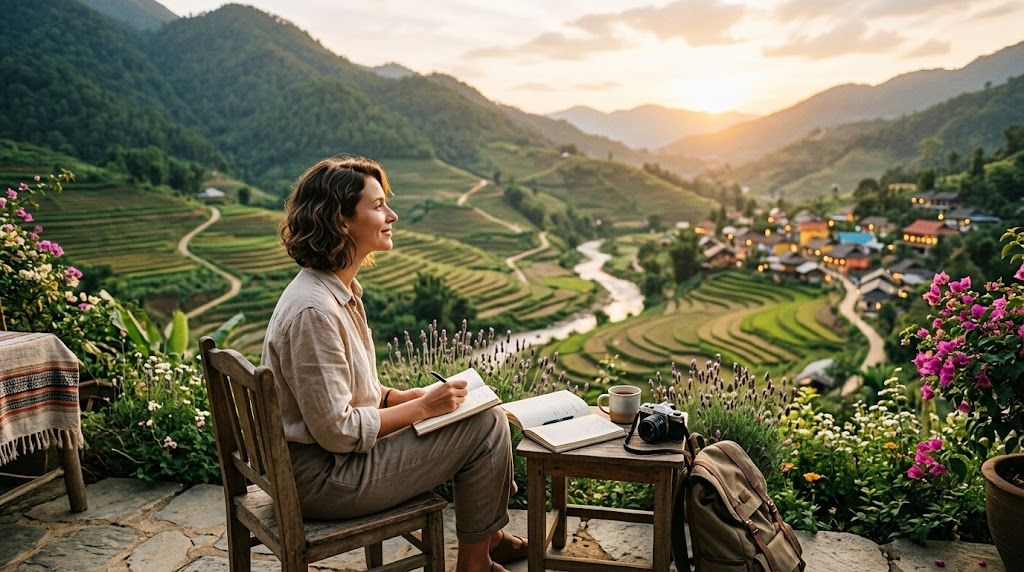
Have you ever returned from a vacation feeling more exhausted than when you left? I once spent my days rushing between famous landmarks, checking boxes on a list while missing the heartbeat of the places I visited. My perspective shifted during a quiet month in a small Italian village where I finally traded frantic sightseeing for mindful travel experiences.

By embracing a simpler pace, I discovered that true connection happens in the gaps between scheduled tours. I stopped chasing photos and started building genuine relationships with local shopkeepers. This change allowed me to practice digital simplicity and find a deep sense of inner peace that I had never felt before.
These slow travel lessons taught me that inhabiting a destination is far more rewarding than merely consuming it. You do not need a massive budget or months of free time to adopt this approach. It is simply about choosing depth over breadth to make your next journey truly transformative.
Key Takeaways
- Prioritize quality interactions over checking off tourist attractions.
- Practice digital detox to remain present in your surroundings.
- Adopt a minimalist mindset to reduce stress while on the road.
- Seek out local rhythms to gain a deeper cultural understanding.
- Focus on inner peace rather than constant movement to recharge.
The Trip That Changed How I Travel
The realization that I was missing the point of travel hit me during a quiet morning in a foreign town. For years, I treated my vacations like a high-stakes scavenger hunt. I would wake up at dawn, check off famous landmarks, and collapse into bed exhausted every single night.
What Happened During My First Slow Travel Experience
I finally decided to break this cycle during a trip to a small coastal village. Instead of booking three different hotels in one week, I committed to staying in a single apartment for the entire duration. This shift allowed me to embrace mindful travel experiences that I had previously ignored in my rush to see the next big attraction.
Where I Traded a Packed Itinerary for Local Life
I stopped looking at my watch and started looking at the people around me. By staying in one place, I moved from being a spectator to a temporary neighbor. I began to learn the rhythm of the streets, the timing of the local markets, and the faces of the shopkeepers who worked nearby.
The ordinary morning that became the highlight of my trip
One Tuesday, I sat at a small wooden table in a neighborhood cafe, watching the sunlight hit the cobblestones. I had no plans, no tickets to book, and no bus to catch. That simple, quiet hour of sipping coffee while listening to the local chatter felt more profound than any museum tour I had ever taken. It was the moment I realized that the best parts of travel are often the ones we do not plan.
Why the Experience Felt More Meaningful Than Traditional Tourism
Traditional tourism often keeps us at a distance from the reality of a destination. By slowing down, I opened myself up to immersive cultural experiences that required nothing more than my presence. I found that when I stopped chasing the “must-see” list, I finally started to feel the heartbeat of the place I was visiting.
Why Slow Travel Is Reshaping Modern Adventures
Moving away from the frantic pace of traditional tourism has completely changed how I view my time abroad. I have discovered that slow travel lessons are not just about moving slower; they are about shifting the entire focus of an adventure from quantity to quality.
From Checking Attractions Off a List to Staying Present
In the past, I treated my vacations like a high-stakes scavenger hunt. I would wake up early, map out five major landmarks, and rush through them just to say I had been there. This approach often left me feeling exhausted rather than inspired.
By choosing to stay in one place for a longer duration, I finally learned the value of staying present. Instead of rushing to the next photo opportunity, I found myself lingering in local cafes and watching the rhythm of the street. This shift allowed me to notice the small, beautiful details that I used to overlook entirely.
How Fast-Paced Tourism Can Limit Cultural Understanding
Fast-paced tourism often creates a barrier between the visitor and the local reality. When we move too quickly, we only interact with the surface of a culture. We see the monuments, but we miss the stories, the daily struggles, and the genuine warmth of the people living there.
“Travel is fatal to prejudice, bigotry, and narrow-mindedness, and many of our people need it sorely on these accounts.”
Mark Twain
True cultural understanding requires time and patience. It happens during those quiet moments when you are not looking for a souvenir, but simply existing within a new environment. This deeper connection is the core of what makes travel truly transformative.
The Growing Appeal of Mindful Travel Experiences
There is a rising movement toward mindful travel experiences that prioritize mental well-being and environmental respect. People are tired of the “burnout” that comes with traditional, over-scheduled trips. They are seeking ways to reconnect with themselves and the world around them.
What travelers, communities, and destinations are noticing
Both visitors and local hosts are beginning to see the benefits of this intentional approach. The following table highlights the key differences between traditional tourism and the slow travel mindset.
| Feature | Traditional Tourism | Slow Travel |
|---|---|---|
| Primary Goal | Sightseeing | Immersion |
| Itinerary | Rigid and Packed | Flexible and Open |
| Local Impact | Transactional | Relational |
| Outcome | Exhaustion | Personal Growth |
How My Perspective Changed After Returning Home
When I finally returned home, I realized that these slow travel lessons had followed me back. I stopped viewing my own city as a place to simply rush through on my way to work. I started applying the same curiosity and patience to my daily life that I had practiced while abroad.
This perspective shift is the most lasting souvenir I could have asked for. It turned my everyday life into a series of mindful travel experiences, proving that the spirit of exploration is not tied to a destination, but to the way we choose to see the world.
Slow Travel Lessons: Shifting From Sightseeing to Living
My approach to travel shifted entirely when I stopped chasing sights and started living in them. I realized that slow travel lessons are not about where you go, but how deeply you engage with your surroundings. By choosing to stay in one place for an extended period, I moved away from the frantic pace of a tourist checklist.
Choosing One Place Long Enough to Understand Its Rhythm
Staying in a single location for weeks rather than days allowed me to witness the natural pulse of a community. Instead of viewing a city through the lens of a visitor, I began to see it as a living, breathing entity. This intentional stillness revealed the subtle shifts in energy that occur from morning to night.
Replacing Constant Movement With Daily Rituals
I found that replacing constant movement with simple, daily habits grounded me in the local culture. These rituals transformed my trip from a series of snapshots into a genuine chapter of my life.
Shopping at the same market
Returning to the same market stall every few days meant the vendors eventually recognized me. These small interactions provided a sense of belonging that no guidebook could ever offer.
Walking familiar streets without a destination
I started taking long, aimless walks through my neighborhood. By removing the pressure to reach a specific landmark, I noticed the hidden details of architecture and the quiet corners where locals actually spend their time.
Learning the pace of neighborhood life
Observing the rhythm of the streets—when the shops open, when the children head to school, and when the evening chatter begins—helped me sync my own schedule with the community. This was the key to unlocking truly immersive cultural experiences.
Letting Go of the Pressure to See Everything
The most liberating part of this journey was releasing the need to see every famous monument. I stopped worrying about missing out on “must-see” attractions. Instead, I focused on the quality of my time, which created a much calmer relationship with the clock.
Finding Stories in Routine Moments Instead of Famous Landmarks
I discovered that the most memorable slow travel lessons were hidden in the mundane. A conversation with a neighbor or the smell of fresh bread in the morning told a more compelling story than any crowded museum. These authentic, routine moments provided the immersive cultural experiences that define a truly transformative adventure.
Building Genuine Connections With Local People
I discovered that the most profound travel memories rarely come from a guidebook. Instead, they emerge from the quiet, unexpected moments shared with the people who live in the places I visit.
By shifting my focus, I found that mindful travel experiences are built on human interaction rather than just ticking boxes off a list. These connections transformed my perspective on what it truly means to explore the world.
How Small Conversations Became the Most Valuable Souvenirs
I used to hunt for physical trinkets to remember my trips, but those items often gathered dust. Now, I realize that a brief chat with a shopkeeper or a shared laugh with a neighbor is far more meaningful.
These small exchanges act as anchors for my memories. They provide a window into the daily life and values of a community that a tourist simply cannot see from a distance.

Supporting Independent Restaurants, Shops, and Guides
Investing my time and money into local businesses is the best way to show respect for a destination. It ensures that my presence supports the community directly.
Eating where residents eat
I avoid the crowded tourist traps and look for the small, family-run spots where the menu is written in the local language. These meals are not just about food; they are about participating in the rhythm of the neighborhood.
Booking locally owned accommodations
Staying in a guesthouse or a homestay allows for organic interactions with hosts. These individuals often share hidden gems that never appear in mainstream travel blogs.
Learning respectful phrases and cultural customs
A simple “hello” or “thank you” in the local tongue goes a long way. It shows that I am a guest who values their culture, which often opens doors to deeper conversations.
Moving Beyond Performative Cultural Experiences
Many travelers fall into the trap of seeking staged, performative encounters that feel more like a show than reality. True immersive cultural experiences require curiosity and a willingness to listen without an agenda.
I learned to prioritize reciprocity over consumption. When I approach people with genuine interest rather than as a spectator, the dynamic shifts from transactional to relational.
What Local Hosts and Neighbors Taught Me About Belonging
My hosts have taught me that belonging is not about where you are from, but how you treat the space you occupy. They welcomed me into their routines, showing me that even a short stay can foster a sense of home.
This approach to mindful travel experiences has made every destination feel more welcoming. I no longer feel like an outsider looking in, but rather a temporary neighbor.
| Feature | Tourist Approach | Slow Traveler Approach |
|---|---|---|
| Dining | International chains | Independent local cafes |
| Interaction | Transactional/Staged | Genuine/Reciprocal |
| Focus | Famous landmarks | Daily community life |
| Outcome | Souvenirs | Lasting connections |
Practicing Digital Detox and Travel Minimalism
I realized that my constant need to document every moment was actually preventing me from living it. By shifting my focus away from screens, I discovered a richer way to engage with the world. This transition toward simplicity is one of the most effective sustainable travel tips I have ever adopted.
Why I Stopped Documenting Every Moment
For years, I felt an invisible pressure to capture every sunset and meal for an audience back home. I eventually understood that this habit turned my experiences into content rather than memories. True presence requires letting go of the digital tether that keeps us from fully arriving at our destination.
Creating Phone-Free Windows Throughout the Day
To reclaim my attention, I began setting specific boundaries for my technology use. These small adjustments allowed me to observe local life without the distraction of notifications.
Using paper maps and a small notebook
I traded my GPS apps for physical maps and a worn-out notebook. This simple change forced me to look up at my surroundings and interact with locals to find my way. Writing down my thoughts by hand helped me process my experiences more deeply than any digital post could.
Checking messages only at designated times
I limited my connectivity to a single window in the evening. This approach ensured that I remained reachable for emergencies while protecting my daytime hours for exploration. It is a powerful way to practice eco-friendly travel practices by reducing the mental clutter that often accompanies modern tourism.
“The quieter you become, the more you are able to hear.”
— Rumi
Packing Less to Notice More
Minimalism in my luggage directly influenced my ability to stay present. Carrying fewer possessions meant I spent less time managing my gear and more time engaging with my environment. When you carry less, you move with more freedom and intention.
How Digital and Physical Simplicity Made Travel Feel Lighter
Adopting these habits made my journey feel significantly more authentic. By prioritizing intentional living over constant consumption, I found that my trips became more sustainable and rewarding. Embracing these eco-friendly travel practices and sustainable travel tips allowed me to return home feeling refreshed rather than exhausted.
Finding Inner Peace Through a Slower Pace
I discovered that the most profound travel moments happened when I finally stopped trying to control every hour of my day. By letting go of the need to be productive, I opened myself up to a deeper connection with my surroundings. This shift was essential for creating mindful travel experiences that lasted long after the trip ended.
How Unscheduled Time Changed My Experience of a Place
Leaving large blocks of time completely open on my calendar felt strange at first. I was used to the pressure of seeing every landmark, but this new approach allowed me to linger in cafes or wander down quiet side streets. I stopped viewing time as a resource to be spent and started seeing it as a space to be inhabited.
Using Walking, Silence, and Solitude to Reset My Mind
I found that walking without a specific destination was the best way to clear my head. Silence became a tool for observation rather than something to be filled with podcasts or music. This solitude allowed me to process my thoughts without the noise of constant external stimulation.
Recognizing the difference between boredom and rest
At first, I often mistook the absence of activity for boredom. I had to learn that boredom is a sign of restlessness, while true rest is a conscious choice to pause. Once I embraced this distinction, I felt a genuine sense of renewal.
Allowing unexpected emotions to surface
When I stopped rushing, I finally had the mental capacity to process my feelings. Sometimes, sadness or nostalgia would bubble up, but I learned to welcome these emotions as part of the journey. These slow travel lessons taught me that being present means accepting all parts of the human experience.
Managing Travel Anxiety Without Filling Every Moment
Many travelers fill their schedules to avoid the anxiety of being alone with their thoughts. I realized that by keeping my days flexible, I actually reduced my stress levels significantly. I no longer worried about missing out on a specific sight, which made my entire trip feel much lighter.
| Feature | Fast-Paced Travel | Slow-Paced Travel |
|---|---|---|
| Primary Goal | Checking off landmarks | Deepening understanding |
| Daily Schedule | Rigid and packed | Flexible and open |
| Mental State | Anxious and hurried | Calm and present |
The Inner Shift I Carried Home From the Journey
The most important slow travel lessons were the ones I brought back to my daily life. I now prioritize mindful travel experiences even when I am at home, ensuring I leave room for silence and reflection. This internal shift has helped me manage my anxiety with much more grace and patience than before.
Sustainable Choices That Make Slow Travel More Responsible
My journey toward responsible tourism started with small, intentional shifts in how I move. I realized that the way I reach a destination is just as important as the time I spend there. By adopting sustainable travel tips, I have transformed my adventures into experiences that respect both the planet and the people I visit.
Choosing Trains, Buses, and Longer Stays Over Constant Flights
I often trade the convenience of short-haul flights for the scenic route provided by trains and buses. This change allows me to see the landscape shift gradually, which makes the journey feel like a true part of the vacation. Staying in one location for a longer period also reduces the carbon footprint associated with frequent travel.
How Slower Itineraries Can Reduce Pressure on Popular Destinations
Over-tourism often stems from the desire to see everything in a short window. By slowing down, I can help distribute visitor numbers more evenly throughout the year. This approach helps local infrastructure manage crowds more effectively.
Traveling outside peak seasons
I make it a priority to visit popular spots during the shoulder season. This simple choice helps me avoid the stress of massive crowds while providing a more authentic look at local life. It also ensures that my presence supports businesses during their quieter months.
Respecting residential neighborhoods and natural spaces
I treat every destination as if it were my own home. This means being mindful of noise levels in residential areas and sticking to marked trails in nature. Respecting the local environment is a core part of my travel philosophy.
Supporting Local Economies Through Intentional Spending
I focus my budget on independent businesses rather than large international chains. When I buy groceries from a local market or eat at a family-owned bistro, my money stays within the community. This intentional spending creates a direct, positive impact on the people who live there.
Eco-friendly Travel Practices I Can Realistically Maintain
I have found that eco-friendly travel practices are most effective when they are simple and consistent. I do not aim for perfection, but rather for progress in my daily habits. Here are a few ways I keep my footprint low:
- Carrying a reusable water bottle and shopping bag.
- Choosing walking or public transit over private taxis.
- Refusing single-use plastics whenever possible.
- Supporting local artisans instead of buying mass-produced souvenirs.
Why Sustainability Became a Personal Habit Rather Than a Trend
Sustainability is no longer a checklist for me; it is a natural way of living. By integrating these eco-friendly travel practices into my routine, I feel more connected to the places I visit. These sustainable travel tips have turned my trips into meaningful, long-lasting memories that benefit everyone involved.
Turning These Slow Travel Lessons Into My Next Adventure
My next adventure will be defined by the moments I choose to savor rather than the sights I rush to see. By applying slow travel lessons, I can transform a standard vacation into a period of genuine growth and discovery. The goal is to move away from the frantic pace of modern tourism and embrace a rhythm that feels natural and restorative.
Designing an Itinerary With Space to Wander
I have learned that the best experiences often happen in the gaps between planned events. Instead of filling every hour, I now leave large blocks of time open for spontaneous exploration. This intentional emptiness allows me to follow a local’s recommendation or simply sit in a park and observe the daily life of a city.
Choosing a Home Base That Encourages Local Discovery
Selecting the right neighborhood is the foundation of a successful trip. I look for areas where residents live, shop, and gather, rather than areas designed solely for tourists.
Questions I ask before booking a destination
- Is this location accessible by public transit or walking?
- Are there locally-owned markets and cafes nearby?
- Does the area offer opportunities for immersive cultural experiences?
- Can I reach the city center without relying on constant taxi rides?
Signs that a neighborhood will support an immersive stay
I look for signs of community life, such as busy morning bakeries, local schools, or neighborhood plazas filled with residents. If I see people walking their dogs or chatting with shopkeepers, I know I have found a place that encourages authentic connection.

Planning Meaningful Activities Without Overplanning
I prioritize mindful travel experiences that allow me to engage with a place deeply. Rather than visiting five museums in one day, I might choose one and spend the entire afternoon there. This approach ensures that I am not just observing, but actually participating in the local culture.
Building Digital Detox, Connection, and Rest Into Each Day
Rest is not a waste of time; it is a vital part of the journey. I schedule “offline hours” where my phone stays in my bag, allowing me to be fully present. This practice helps me notice the small details, like the smell of fresh coffee or the sound of local music, that I would otherwise miss.
Measuring a Successful Trip by What I Felt and Learned
Success is no longer about how many landmarks I have checked off a list. I evaluate my trips based on the depth of my engagement and the quality of my rest.
Replacing photo counts with personal memories
I focus on the stories I can tell rather than the number of photos in my gallery. A single conversation with a local shop owner is worth more to me than a hundred generic snapshots of a monument.
Noticing whether I felt connected rather than merely entertained
“Travel is not about the destination, but the transformation that occurs within us when we open our hearts to new ways of living.”
How Other Travelers Can Adapt the Approach to Any Destination
You do not need a specific type of location to practice these sustainable travel tips. Whether you are visiting a bustling metropolis or a quiet village, the principles remain the same. Focus on local ownership, choose slower modes of transport, and prioritize quality over quantity.
| Strategy | Traditional Travel | Slow Travel |
|---|---|---|
| Itinerary | Packed and rigid | Flexible and open |
| Focus | Sightseeing | Living |
| Outcome | Entertainment | Connection |
By shifting your mindset, you can turn any trip into a meaningful adventure. Start small, stay longer in one place, and always remain curious about the world around you.
Conclusion
My transformation began when I stopped chasing landmarks and started chasing moments. These slow travel lessons taught me that the best souvenirs are the quiet memories of a morning coffee in a local cafe or a conversation with a neighbor.
You do not need to overhaul your entire life to see the world differently. Start with one longer stay in a single city or choose a train ride instead of a flight. These small eco-friendly travel practices reduce your footprint while deepening your connection to the landscape.
Try leaving your phone in your bag for one hour during your next walk. Notice the rhythm of the streets and the faces of the people around you. This shift toward digital simplicity creates space for genuine discovery.
Meaningful adventure is about how you feel rather than how many photos you post. Every trip offers a chance to practice patience and presence. Your next journey can be a path toward inner peace if you allow yourself the freedom to wander without a rigid plan.
Carry these habits into your future travels. You will find that a slower pace reveals the true heart of every destination you visit.
FAQ
What are the most important slow travel lessons for a first-timer?
For me, the most impactful of all slow travel lessons was realizing that less is actually more. Instead of rushing through five cities in ten days, I now prefer staying in one place, like Lisbon or Kyoto, for the full duration. This shift allows me to find a daily rhythm, such as visiting the same family-run pastelaria every morning, which leads to the kind of immersive cultural experiences you simply cannot get from the window of a tour bus.
How can I embrace sustainable travel tips without feeling overwhelmed by the logistics?
I suggest starting small by focusing on how you move and where you spend your money. I’ve found that sustainable travel tips are often just about being intentional—like choosing a Eurail pass over a budget flight or booking a guesthouse through EcoHotels instead of a massive international chain. These eco-friendly travel practices help reduce the carbon footprint and strain on popular destinations while ensuring your money stays within the local community.
What should I look for in a neighborhood to ensure a more mindful travel experience?
When I’m browsing for a home base on Airbnb or Vrbo, I look for residential areas that are a few blocks removed from the “tourist bubble.” I check for signs of a real community: Is there a local hardware store? A public library? A neighborhood park where residents walk their dogs? Finding a base that encourages walking and daily rituals is my secret to unlocking truly mindful travel experiences.
Is it possible to have immersive cultural experiences if I don’t speak the local language fluently?
Absolutely. While I always try to learn basic phrases like “please” and “thank you,” immersive cultural experiences are often built on observation and shared humanity. I once spent a week in a small village in Tuscany where my Italian was minimal, yet I built a genuine connection with the local baker simply by showing up every day at the same time, being respectful, and following the local pace of life rather than demanding my own.
How do you handle the “fear of missing out” when you stop chasing famous landmarks?
It was a struggle for me at first, but I eventually replaced the “checklist” mentality with a “presence” mentality. I’ve realized that I remember a two-hour conversation with a shopkeeper in Hanoi much more vividly than a 30-second photo op at a crowded monument. These slow travel lessons taught me that the “must-see” spots aren’t nearly as valuable as the “must-feel” moments that happen when you stop rushing.
What are some realistic eco-friendly travel practices for long-distance transportation?
Whenever my itinerary allows, I trade domestic flights for high-speed rail, such as the Shinkansen in Japan or the Italo in Italy. Not only are these eco-friendly travel practices better for the environment, but they also turn the transit itself into a highlight. You get to see the landscape change gradually, which helps your mind process the distance and prepares you for a deeper, more relaxed connection with your next destination.